
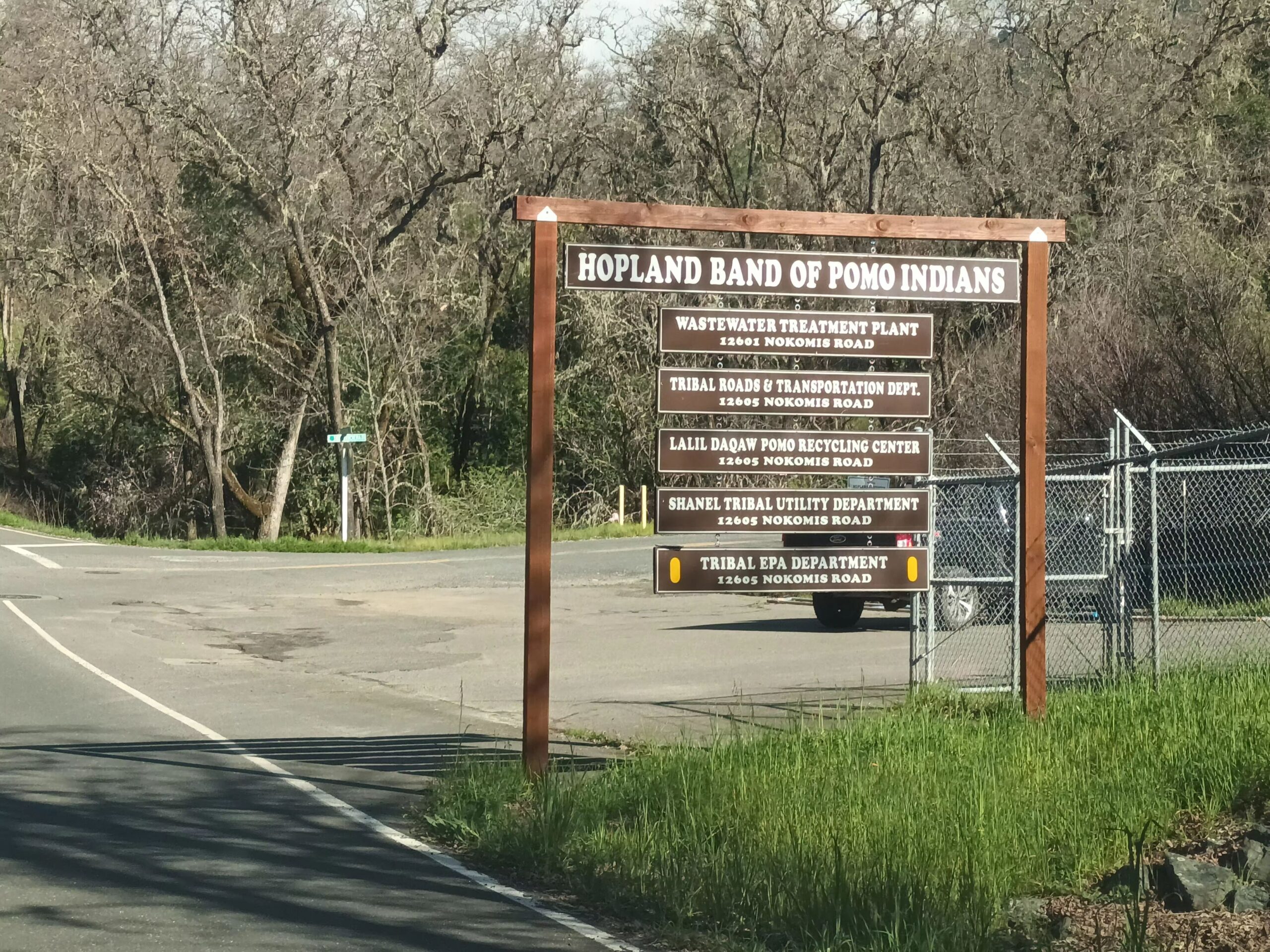
Background
Three Mendocino County Tribes — Potter Valley Tribe, Hopland Band of Pomo Indians, and Guidiville Rancheria of California — sought to understand the energy conditions of their homes and community buildings, and develop a roadmap for weatherization. Many homes face high energy costs, poor air quality, and aging housing stock. This planning phase project built the evidence base needed to pursue implementation funding.
The project objectives are to develop weatherization plans and improvement recommendations based on home energy audits, estimate optimal costs and develop cost estimates for community scale implementation.
Key deliverables
- ASHRAE energy audits — Level 1 and Level 2 audits of 12 homes and community buildings across 3 Tribes, including building envelope, HVAC, lighting, and plug loads.
- Blower door testing — Whole-building air leakage testing to quantify envelope tightness and identify sealing priorities.
- Indoor air quality monitoring — Radon, PM2.5, temperature, and humidity measured in each home, establishing a baseline for implementation.
- Tribe-specific weatherization plans — Prioritized, costed plans per Tribe covering sequencing, contractor guidance, and available funding pathways including California’s Low Income Weatherization Program (LIWP).
- Two community workshops — Co-learning sessions on energy, health, and comfort benefits; residents priority-ranked weatherization goals using a dot-voting exercise.
Key findings
- Health and safety concerns across multiple sites — Guidiville Rancheria HVAC systems showed serious duct leakage, improperly vented combustion equipment, and condensate issues requiring urgent remediation beyond standard weatherization.
- Strong energy savings potential across all Tribes — Top measures include air sealing, smart thermostats, LED lighting, and solar PV. Solar delivered the largest single annual bill reduction at most sites, despite lower ROI under NEM 3 billing.
- Tribal priorities: cost savings and health above carbon — Residents ranked saving money and improving indoor air quality as top goals. Carbon stewardship was seen as already embedded in Tribal values — a key insight for shaping implementation grant narratives.
Client
Mendocino County Resource Conservation District (MCRCD)
Funder
California Strategic Growth Council
Tribes served
Potter Valley Tribe
Hopland Band of Pomo Indians
Guidiville Rancheria of California
Project period
2026 – current
Status
Planning phase complete
Implementation phase ahead
Leafbird services
- Co-learning community engagement
- Workshop facilitation
- Grant and implementation pathways
- Project coordination
Scale
12 homes and community buildings across 3 Tribes
Project partners
Kent Thompson
New Future Building Services
Project Lead · Energy Auditor
Debbie Gross and Vishal Mehta
Leafbird Consulting LLC
Community Engagement & Project Support
MCRCD Staff
Mendocino County RCD
Tribal Coordination & Grant Management
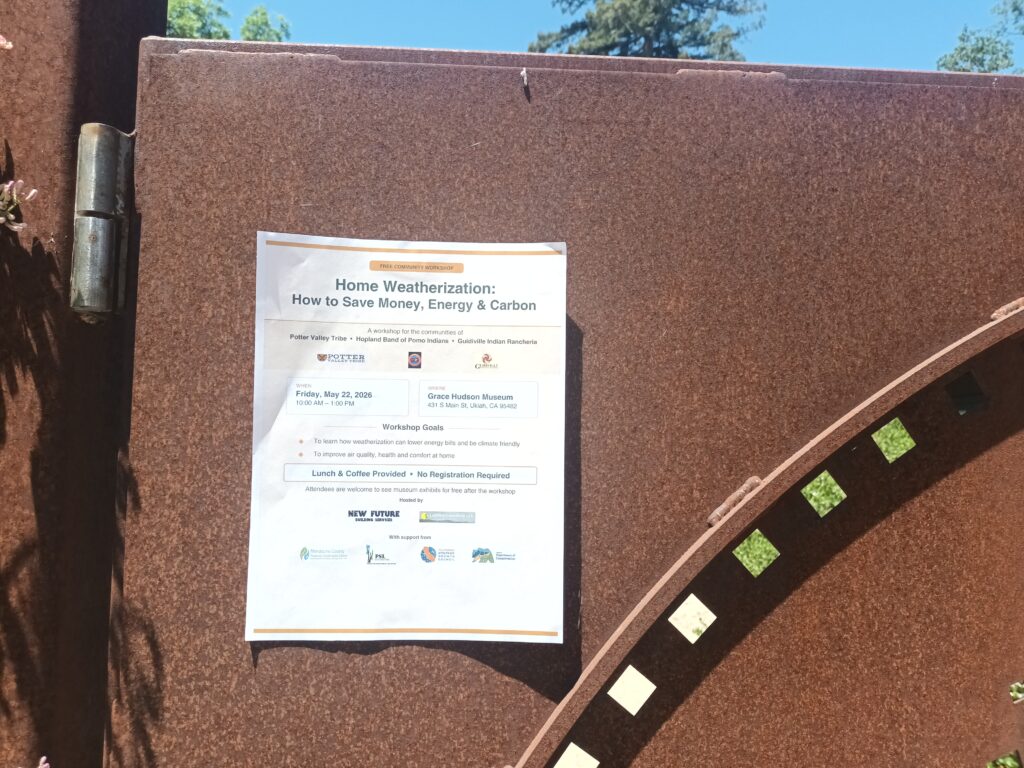
Grace Hudson Museum, Ukiah
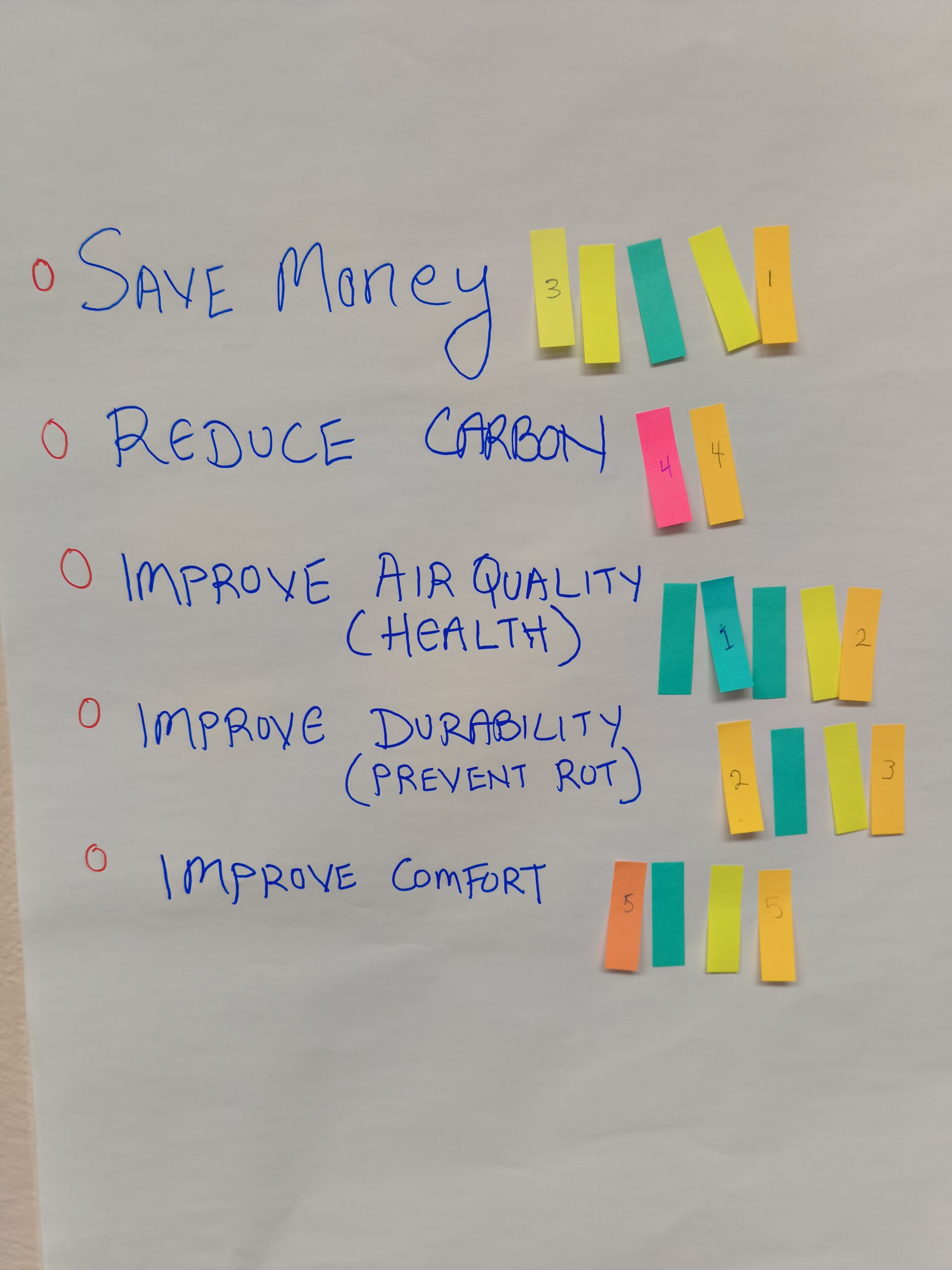
savings, health, comfort, durability
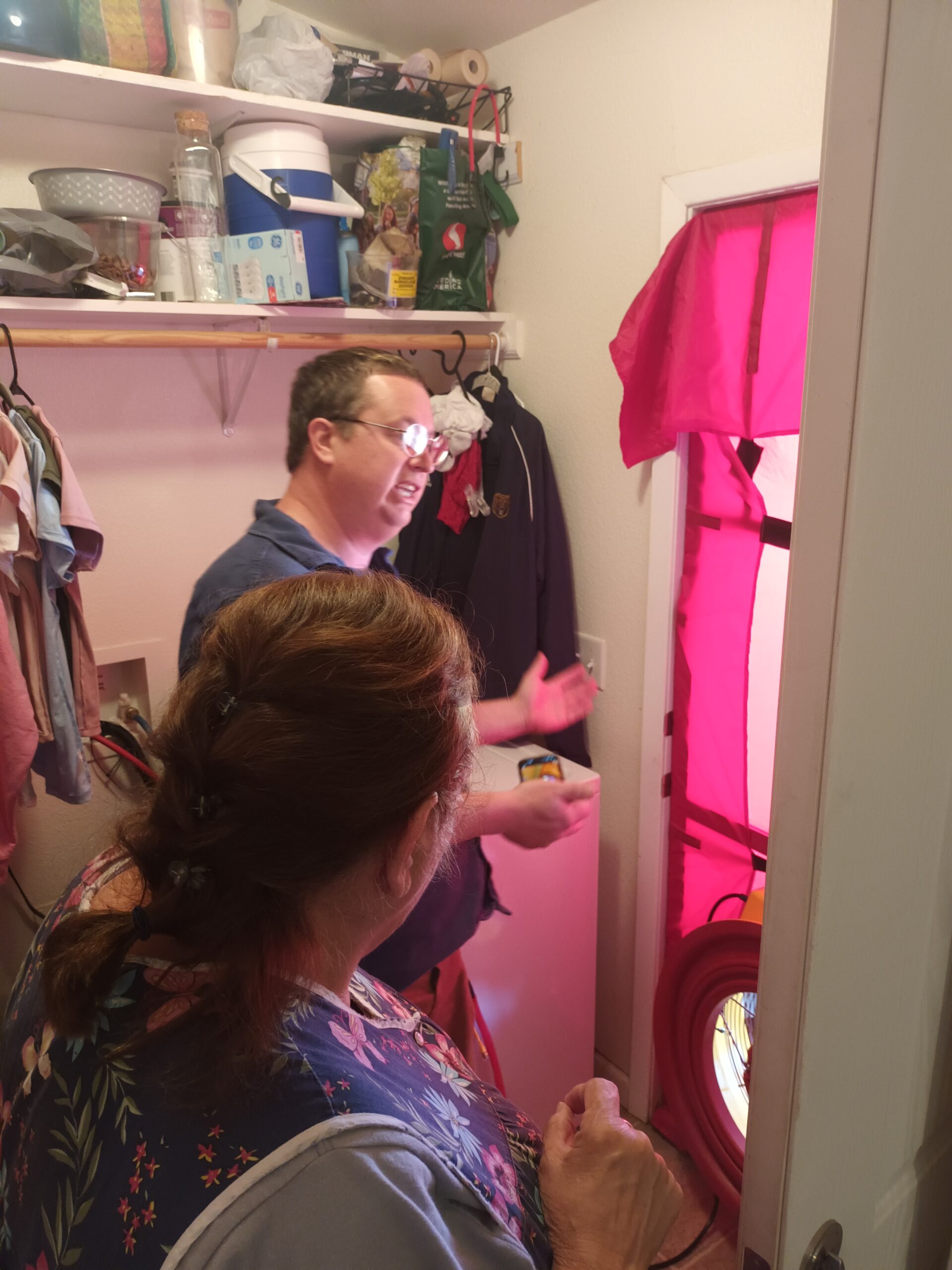
to a homeowner in Hopland